
Top 5 Questions to Ask Before Your Home Renovation
May 13, 2026by adminUncategorized0
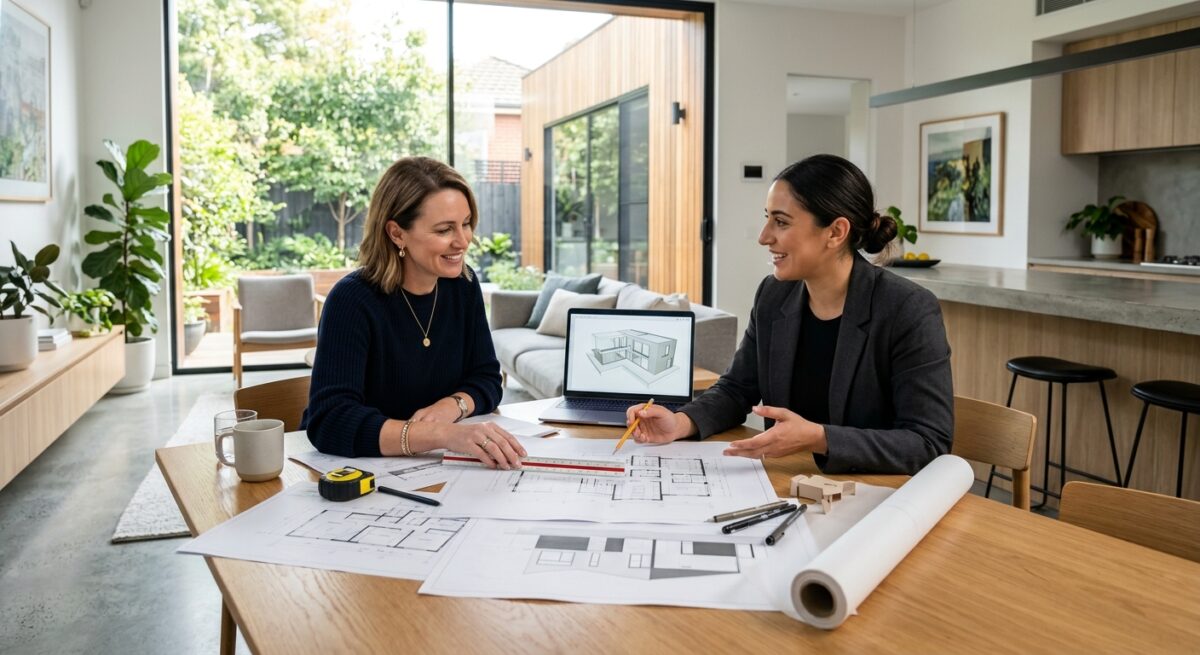
Home renovation is one of the biggest investments a homeowner ever makes — and yet most people dive in without asking the right questions first. Whether you’re planning a kitchen update, a rear extension, or a full home transformation, the questions you ask before you commit can save you thousands of dollars, months of stress, and a whole lot of regret further down the track.
At The Design Element Group (TDEG), we’ve guided hundreds of Melbourne homeowners through the renovation process — from first sketches to council approvals to handover. Here are the five questions we always recommend asking yourself before you sign a contract, knock down a wall, or even commission a set of drawings.
1. Do I Need Council Approval?
This is the single most overlooked question in renovation planning. Not every project requires a planning permit — minor internal works or like-for-like updates often don’t — but many do, especially extensions, second-storey additions, works near boundaries, and changes to the building’s footprint or external appearance. Heritage overlays, neighbourhood character controls, and overshadowing rules can also trigger a permit requirement, even for what feels like a modest change.
It’s worth understanding the difference between the two main approvals. A planning permit is issued by your local council and deals with how your project fits into the neighbourhood — siting, height, overlays, and amenity. A building permit is issued by a registered building surveyor and confirms the construction itself meets the National Construction Code. A good draftsman or building designer can assess your site and advise you on which permits you’ll need before you spend money on full plans.
2. What’s My Realistic Budget — Including the Hidden Costs?
Most homeowners arrive at their first design meeting with a budget that covers the build cost — and not much else. The reality is that a renovation has a long tail of “hidden” expenses: council and permit fees, engineering reports, soil and site surveys, demolition, temporary accommodation if you need to move out, landscaping reinstatement, and inevitable variations. We recommend setting aside a contingency of 10–20% on top of your build estimate.
The other budget mistake is getting quotes too early. A builder cannot quote accurately from a concept sketch or a Pinterest board — they need full technical drawings to price materials, labour, and structural work. Once you have proper plans, get three independent builder quotes so you can compare apples with apples. This single step often saves homeowners tens of thousands of dollars and exposes the difference between a fair quote and one loaded with unknowns.
3. Do I Have the Right Plans and Documentation?
This is where renovations quietly go wrong. Builders need proper technical drawings — floor plans, elevations, sections, structural details, electrical layouts, and finish schedules — to quote accurately and build correctly. When homeowners start without proper documentation, the project almost always runs into costly variations mid-build: walls in the wrong place, plumbing surprises, structural changes, finishes that don’t fit the space.
A well-prepared drafting package removes that risk. At TDEG, we provide council-ready drafting packages that include everything your builder and certifier need, plus the option of 3D renders so you can walk through your renovation visually before committing a single dollar to construction. Seeing the space in three dimensions almost always uncovers small changes that make a big difference to how the finished home feels.
4. How Will This Renovation Affect My Home’s Value?
Not all renovations add value equally. The improvements that typically pay back well in Melbourne include open-plan living and dining spaces, additional bedrooms or bathrooms, second-storey extensions, and modern kitchens with good natural light. These changes address how families actually live today and broaden the home’s appeal to future buyers.
On the other hand, poorly planned renovations can reduce value — awkward layouts, lost bedrooms, over-personalised finishes, or extensions that block light and outdoor space. This is where good space planning and design guidance pay for themselves many times over. A few hours invested with a designer at the start can be the difference between a renovation that adds $200k of value and one that adds frustration.
5. Who Is the Right Team for My Project?
Renovation roles are often confused. An architect typically suits complex, bespoke, or large-scale projects with higher fees. A building designer or draftsman covers the great majority of residential renovations and extensions with a more practical, budget-conscious approach. An interior designer handles finishes, joinery, lighting, and how the space feels day-to-day. A project manager coordinates trades and timelines during construction.
The challenge for most homeowners is stitching these roles together. TDEG offers integrated drafting and interior design under one roof, which means your plans, your finishes, and your spatial flow are all developed by a team that’s talking to itself — not three separate consultants charging you to translate between them.
Start Your Renovation the Right Way
Book a free 30-minute consultation with TDEG and get expert answers to these five questions — tailored to your Melbourne home.